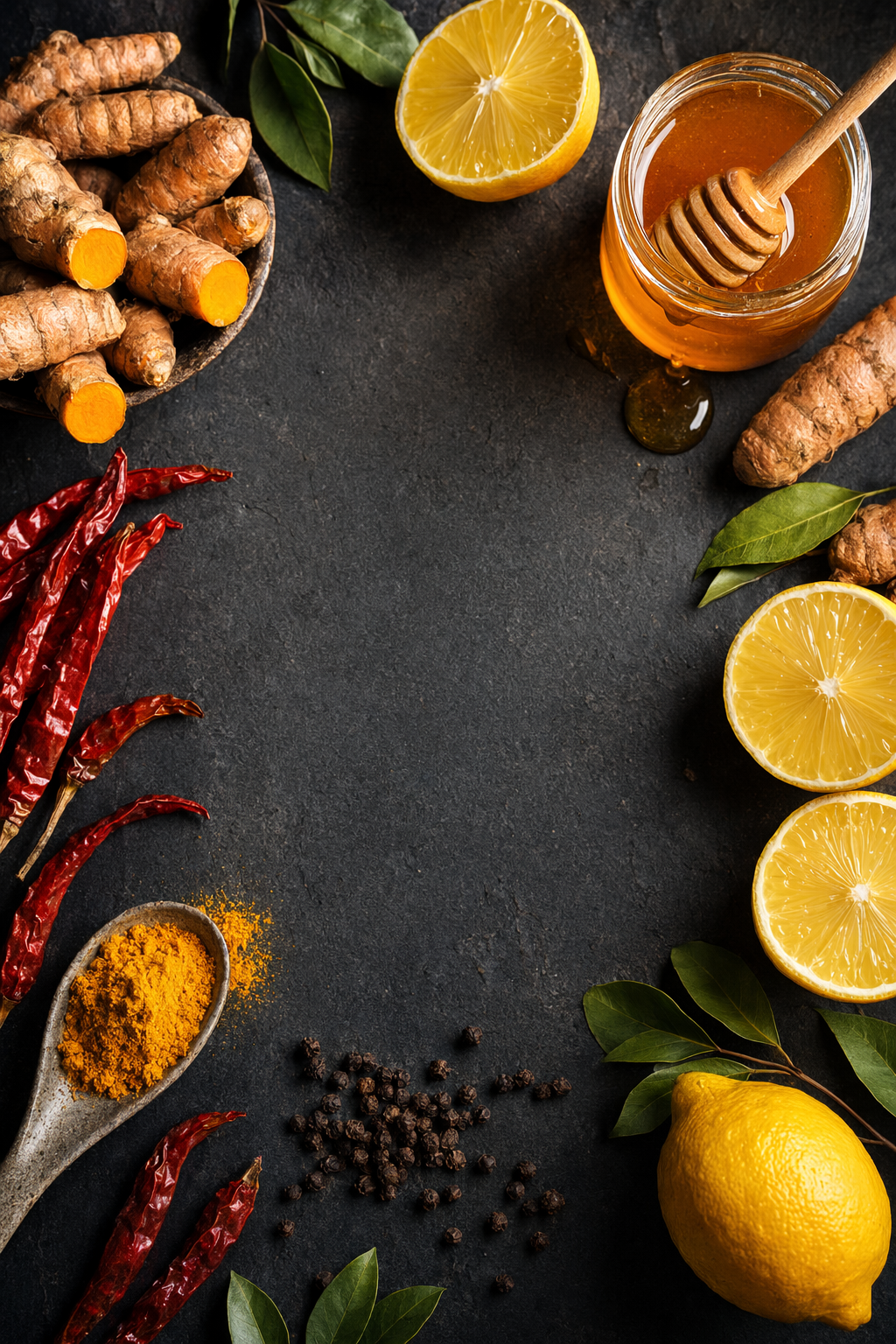
The Problem: Curcumin Is Poorly Absorbed
Curcumin is the primary active compound in turmeric root. It's the compound responsible for the anti-inflammatory, neuroprotective, and antioxidant effects that make turmeric one of the most studied spices in natural medicine. It's what people mean when they talk about turmeric's benefits.
The problem: curcumin is lipophilic (fat-soluble), has low water solubility, and is rapidly metabolised and eliminated from the bloodstream by the CYP3A4 enzyme system in the liver. Studies on standard turmeric consumption show that plasma curcumin levels are often undetectable or negligibly low after typical oral dosing.
In plain terms: most of the curcumin you consume is gone before it can do anything. This is why turmeric alone, despite its reputation, often produces no measurable anti-inflammatory effect in controlled settings.
The Research Context
A frequently cited study (Shoba et al., 1998) demonstrated that piperine (found in black pepper) increased the serum concentration of curcumin by 2,000% in human subjects. The mechanism: piperine inhibits CYP3A4, the enzyme that degrades curcumin before it can be absorbed. Capsaicin in cayenne operates on a related pathway with a comparable effect.
The Solution: Capsaicin and the CYP3A4 Pathway
Cayenne pepper's active compound — capsaicin — inhibits the CYP3A4 metabolic pathway in two ways. First, it reduces the rate at which the enzyme degrades curcumin in the intestinal lining. Second, it increases intestinal permeability in a controlled way that allows more curcumin molecules to pass through the gut wall into circulation.
The result: curcumin that previously lasted minutes in the bloodstream now persists for hours. A dose of turmeric that would produce minimal plasma curcumin becomes a dose that produces measurable, sustained anti-inflammatory effect.
This is the formulation logic behind Golden Fire. Not turmeric plus cayenne because they taste good together — turmeric plus cayenne because the combination produces the activated, bioavailable form of curcumin that the research actually studies when it demonstrates anti-inflammatory effects.
Why This Matters for Inflammation
Curcumin's primary anti-inflammatory mechanisms are TNF-α suppression and NF-κB pathway inhibition. Both require sustained plasma concentration to produce a therapeutic effect. A brief spike followed by rapid elimination — what happens with turmeric alone — is insufficient for meaningful pathway modulation.
With cayenne-enabled CYP3A4 inhibition, the plasma concentration window extends from minutes to hours. This is the difference between a compound that passes through your system and a compound that circulates long enough to interact with inflammatory signalling pathways.
Black Pepper (Piperine) vs Cayenne (Capsaicin)
Black pepper is more commonly cited in the supplement industry as the curcumin absorption enhancer — and with good reason, the Shoba et al. study used piperine specifically. The reason Golden Fire uses cayenne instead of black pepper is functional: capsaicin provides its own independent anti-inflammatory effects via substance P depletion, thermal receptor activation, and lymphatic stimulation. Black pepper's piperine does not provide the same secondary benefits.
Golden Fire is designed as a compound formula where every ingredient earns its place — not just for its synergy effect, but for its own independent contributions. Cayenne does both. Black pepper does only one.
The Real Golden Milk Problem
The turmeric latte — or "golden milk" — trend is frustrating from a formulation perspective. Standard golden milk recipes combine turmeric with dairy or dairy alternative and warm spices. The fat in dairy does improve curcumin absorption somewhat (being lipophilic, fat helps), but without a CYP3A4 inhibitor, the bioavailability window remains short.
Golden milk that includes black pepper or cayenne is a significantly better product. Most commercial versions don't include either. You can have a good-tasting drink or an effective anti-inflammatory formula. Golden Fire specialises in the second.